The Book

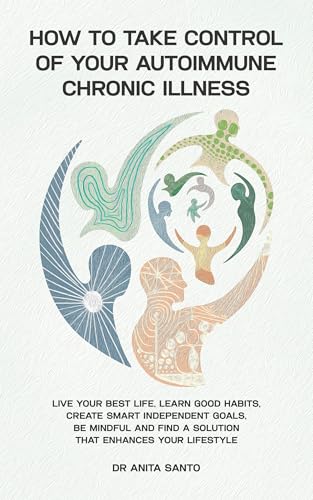
How to Take Control of Your Autoimmune Chronic Illness

An honest, funny handbook for living well with a chronic, invisible illness.

How to Take Control of Your Autoimmune Chronic Illness, by Dr Anita Santo

An honest, often funny guide to living — not just coping — with an autoimmune chronic illness. Not an instruction manual, and not tough love.

It's the book I wanted when I was first diagnosed: what an autoimmune illness actually is, how to get to grips with the diagnosis, the medications, the shift in your identity, staying independent, the habits that help, and how to handle everything from family to work. It dabbles in the science, and it's meant to feel like a warm hug.

It won't promise to cure you. It will help you stack the deck in your favour, one quiet win at a time — and remind you that you're not alone in this.
In the pages

  1. I.

    What is an autoimmune or chronic illness?

    What's actually happening in your body, the most common conditions, and why an invisible illness is so hard for other people to see.

  2. II.

    Getting to grips with your diagnosis

    The rollercoaster of emotions nobody warns you about, and gentle, practical ways to move through them.

  3. III.

    What to do after diagnosis

    Telling your partner, family and friends. The Spoon Theory. Looking after your mental health, your food and your movement.

  4. IV.

    The role of medication

    A plain-English tour of the medications you might be offered, what they do, and the natural supplements worth knowing about.

  5. V.

    Managing the shift in your identity

    Grieving the life you'd pictured, and slowly building a self-image you're genuinely okay with.

  6. VI.

    Staying independent

    Knowing your limits and keeping them. Mobility aids, daily routines, and the reminder that you are not a burden.

  7. VII.

    Why you need good habits

    Small habits that become big wins — including the anti-inflammatory eating that made the biggest difference for me.

  8. VIII.

    Mindfulness and meditation

    A beginner-friendly guide to taking a few minutes for yourself, even when you're sure you don't have time.

  9. IX.

    How to handle your employment

    How, and whether, to tell your employer; your rights; and making work fit around your body instead of the other way round.

  10. X.

    Looking forward

    Coping strategies, quick wins, a couple of anti-inflammatory recipes, and how to keep taking back control.

Who this is for.

If you've just been diagnosed

The early chapters: what's happening to your body, the emotions to expect, the questions to ask, and how to get through those first overwhelming weeks.

If you've been living with it a while

The parts on identity, independence, habits and work — the honest, ongoing stuff, written by someone still in it years on.

If someone you love has it

Read it before you ask them how they are again. The Spoon Theory alone will save you both a conversation.

From the book

Your illness is invisible on your good days, and a pain to most around you on your bad days. Chapter one
Don't be afraid to reach out for fear of being a burden — the people who love you feel burdened enough by not being able to help. On asking for help
There is no right or wrong way to manage your illness, and it'll take you longer than you'd hope to learn all its nuances. Chapter five
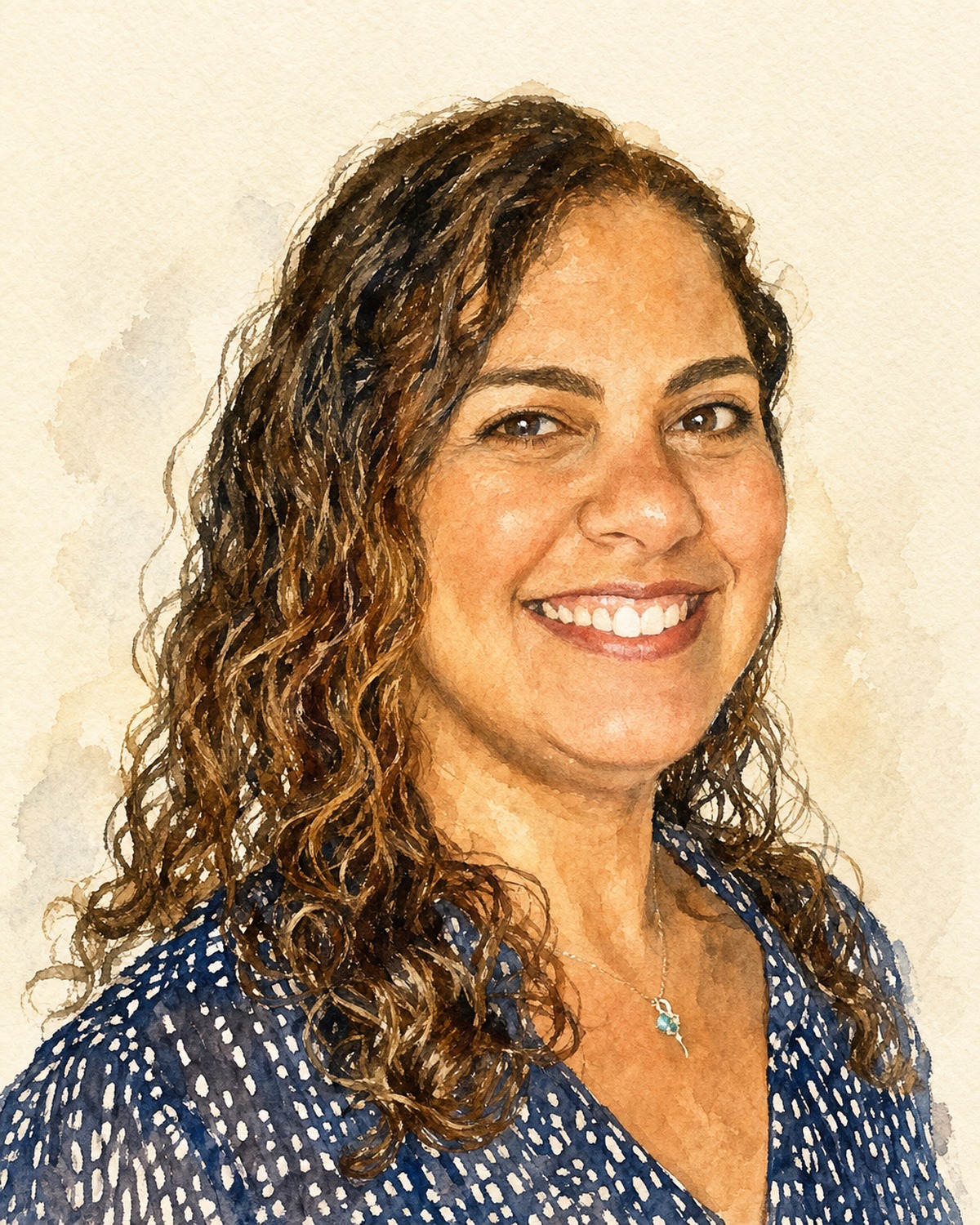
Dr Anita Santo
About the author

Dr Anita Santo

Dr Anita Santo, PhD, is a Chartered Forensic Psychologist, podcaster and mother of two who personally navigates the daily realities of living with rheumatoid arthritis. Alongside her husband, children and the dog, she has spent years researching how to thrive despite a chronic diagnosis, and she co-hosts the podcast Motherhood: Perfect Chaos with Eimear. Through her professional lens and her own journey, she discovered the power of the elimination diet and targeted nutrition. She is a strong advocate for empowering others to take control of their own journey — from the diagnosis, to telling the people around them, to making sure their voice is heard in every consultation so they get the best individualised treatment and support. She believes there is no 'one size fits all' solution: because everybody reacts uniquely to their environment, a personalised approach is vital. Her mission is to empower the newly diagnosed, offering a roadmap to take control without the fear of immediate, dramatic upheaval — a reminder that, while a diagnosis shifts your life's path, you are never alone in the learning process.


Questions? Write to me.

Sign up for a letter